Quick Answer
How do you avoid cheap gate installations that fail in Los Angeles?
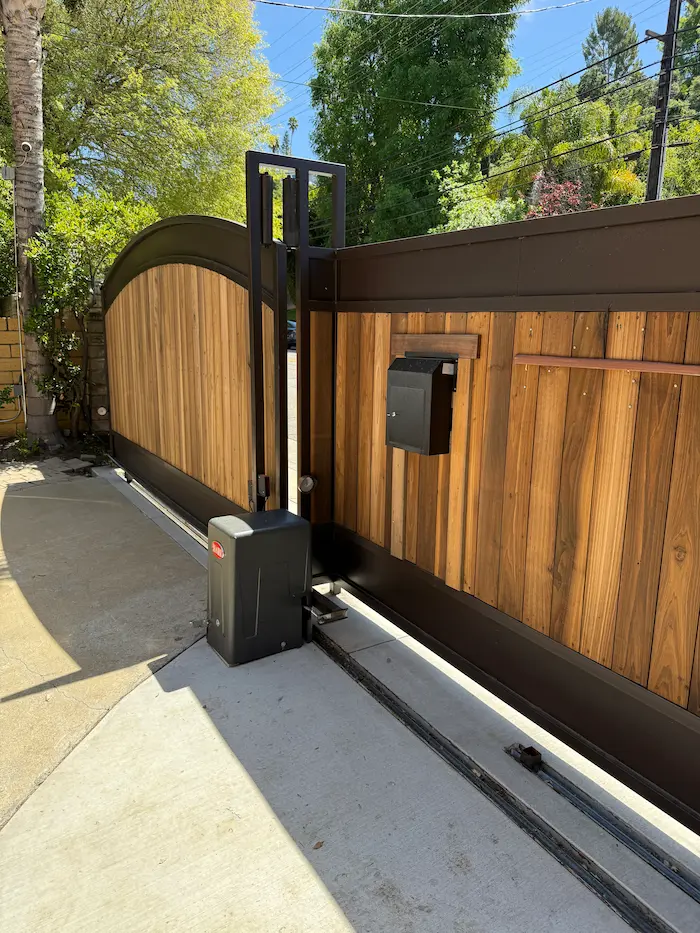
Avoid failed gate installations by hiring a licensed, insured contractor, verifying references, and choosing quality materials and properly sized operators rather than the lowest bid. Cheap installs often skip permits, foundations, and correct wiring, leading to sagging gates and motor failure. In Los Angeles, Metro GDS (CSLB #1029826) delivers code-compliant, warrantied gate installations engineered to last, preventing the costly repairs that follow bargain work.
For many homeowners in Southern California, installing a perimeter gate is a primary step toward securing their property and increasing curb appeal. However, the market is saturated with low-cost “economy” options that promise high-end results at a fraction of the price. While a bargain upfront may seem enticing, the reality of gate automation and heavy-duty metalwork is that you often get exactly what you pay for. At Metro GDS, we frequently replace systems that are less than two years old because they were improperly engineered or built with substandard components. Understanding the hallmarks of a professional, long-lasting installation is essential to protecting your investment and your safety.
The Hidden Costs of Low-Bid Gate Contracting
The most common pitfall in the gate industry is the “low-bid” trap. A contractor may offer a significantly lower price by cutting corners that are not immediately visible to the untrained eye. This often includes using thinner-gauge steel, undersized motor operators, or shallow concrete footings. In a high-traffic environment like Los Angeles, these deficiencies manifest quickly as sagging gates, grinding motors, or structural misalignment.
A cheap installation lacks the technical depth and mechanical precision required for a system that must move hundreds of pounds of metal daily. When a gate fails, it isn’t just an inconvenience; it can become a liability. According to the Consumer Product Safety Commission (CPSC), improperly installed automated gates pose significant risks of entrapment or injury if safety sensors are bypassed to save on costs. Investing in a quality installation from the start ensures that your system meets all local and federal safety standards.
Identifying Substandard Materials and Finishes
The durability of a gate is largely determined by its metallurgical composition and the quality of its protective coating. Cheap installations often utilize “pre-galvanized” steel or thin aluminum tubing that is prone to denting and internal rust. In contrast, a high-quality gate is typically hot-dip galvanized or fabricated from heavy-wall tubing that provides the necessary structural resilience to withstand the Santa Ana winds and the salty air of coastal Los Angeles.
Paint is another area where budget installers cut costs. A standard “wet spray” finish may look good on day one, but it will likely begin to flake and peel within twelve months under the intense California sun. Professional-grade gates utilize multi-stage powder coating or specialized industrial epoxies. These finishes are thermally bonded to the metal, providing a barrier that resists UV degradation and oxidation. For more information on the standards for protective coatings, the American Galvanizers Association offers extensive resources on how proper metal treatment extends the life of outdoor structures.
The Critical Role of Proper Mechanical Engineering
A gate is not just a fence; it is a machine. Like any machine, it requires precise alignment and weight distribution. Cheap installations often ignore the “moment of force” acting on the gate hinges and pillars. If the support posts are not set deep enough in high-PSI concrete, the weight of the gate will eventually cause the posts to lean. This slight shift, even by a fraction of an inch, puts immense strain on the gate operator, leading to premature motor burnout.
Furthermore, budget installers often use “residential grade” DIY kits for properties that require “commercial-grade” duty cycles. An underpowered motor struggling to move a heavy gate is a recipe for frequent service calls. At Metro GDS, we leverage specialized industry mastery to calculate the exact torque and horsepower required for your specific gate’s weight and wind-load factor. This ensures that the motor operates well within its intended capacity, significantly extending its operational lifespan.
Why Technical Calibration and Safety Sensors Matter
One of the most dangerous aspects of a “cheap” gate job is the improper installation of safety devices. To keep prices low, some installers may omit secondary safety sensors or use inferior brands that fail in extreme weather. Proper gate automation requires a sophisticated network of photo-eyes, edge sensors, and loop detectors that communicate with the control board.
If these systems are not calibrated with proven technical proficiency, the gate may not reverse correctly when it encounters an obstruction. This is a violation of UL 325 safety standards, which are the industry benchmark for door and gate operator safety. Organizations like Underwriters Laboratories set these rigorous testing parameters to protect the public. A professional installer will always prioritize these safety protocols, ensuring your gate protects your property without endangering your family or pets.
The Importance of Underground Infrastructure
The longevity of an automated gate system is often decided by what is hidden beneath the driveway. Proper installations require deep-trenching for electrical conduits and high-voltage wiring. Cheap installers often bury “direct-burial” cable just a few inches below the surface to save on labor. Over time, soil shifts, moisture, or even gardening tools can damage these wires, leading to intermittent electrical shorts that are notoriously difficult and expensive to diagnose.
At Metro GDS, we insist on rigid conduits and weather-sealed junction boxes. This hand-on field expertise prevents water ingress from damaging the sensitive electronics in the control panel. Additionally, properly installed vehicle loops, the sensors that tell the gate a car is present,must be cut into the driveway and sealed with high-grade loop sealant. If this is done poorly, the loops will lift or short out during the first rainstorm of the season, rendering your “bargain” gate inoperable.
Choosing a Contractor with Local Provenance
In the digital age, it is easy for “fly-by-night” operations to appear professional online. However, a local contractor with a physical presence in Los Angeles offers a level of accountability that a national sub-contracting chain cannot match. A company with long-standing community reputation understands the specific soil conditions, wind zones, and municipal codes unique to our region.
When vetting a gate company, ask for local references and verify their licensing through the California Contractors State License Board (CSLB). A reputable installer will provide a comprehensive warranty that covers both parts and labor, reflecting their confidence in the quality of their work. They should also offer a preventative maintenance plan to ensure the mechanical pivots and electronic safeties remain in peak condition.
Secure Your Property with Precision and Integrity
Don’t let a “budget” gate installation turn into a recurring financial headache and a safety risk for your home. Investing in a professionally engineered system from the start is the only way to ensure your property remains secure, your motor remains functional, and your curb appeal remains intact for years to come. At Metro GDS, we combine specialized mechanical skill with high-quality materials to deliver gate solutions that are built to last in the demanding Los Angeles environment. We take pride in correcting the mistakes of others and setting a higher standard for perimeter security in Southern California. To ensure your home is protected by a system you can actually rely on, contact us today for a comprehensive site evaluation and a professional installation quote that prioritizes quality over shortcuts.